Vai trò của sức mạnh cầm nắm trong võ thuật và thể thao đối kháng
By Tangle Creations | Published: 2026-07-02
Category: Tin tức ngành
Khám phá lý do tại sao sức mạnh grip lại quan trọng trong võ thuật và các môn thể thao đối kháng, từ vật lộn đến đòn đánh, và cách tập luyện có mục tiêu có thể tăng cường hiệu suất và ngăn ngừa chấn thương.
Trong thế giới võ thuật và thể thao đối kháng, mọi võ sĩ đều biết rằng kỹ thuật, tốc độ và sức bền là rất quan trọng. Tuy nhiên, một yếu tố thường bị bỏ qua có thể tạo nên sự khác biệt giữa thắng và thua: sức mạnh cầm nắm. Dù bạn đang thực hiện đòn khóa trong Brazilian Jiu-Jitsu, ôm ghì trong Muay Thái, hay duy trì kiểm soát trong đấu vật, bàn tay và cẳng tay của bạn luôn phải hoạt động liên tục. Một sức cầm nắm mạnh mẽ không chỉ nâng cao khả năng kiểm soát đối thủ mà còn giảm nguy cơ chấn thương và mệt mỏi.
Bài viết này khám phá vai trò quan trọng của sức mạnh cầm nắm trong thể thao đối kháng, cách nó ảnh hưởng đến hiệu suất trong các bộ môn khác nhau, và các phương pháp thực tế để cải thiện nó. Chúng tôi cũng sẽ giới thiệu các công cụ và thực phẩm bổ sung cụ thể từ Tangle Creations có thể giúp bạn xây dựng một sức cầm nắm mạnh mẽ và bền bỉ hơn.
Tại sao sức mạnh cầm nắm lại quan trọng trong võ thuật
Sức mạnh cầm nắm là nền tảng của nhiều kỹ thuật chiến đấu. Trong các môn vật như judo và Brazilian Jiu-Jitsu, một sức cầm nắm mạnh cho phép bạn kiểm soát võ phục hoặc cơ thể đối thủ, thiết lập các đòn quăng và duy trì các thế khống chế. Nếu không có sức bền cầm nắm đầy đủ, tay bạn sẽ nhanh chóng mỏi, khiến bạn trở nên dễ bị tổn thương. Ngay cả trong các môn đánh đòn như quyền anh, sức mạnh cầm nắm cũng rất cần thiết để tạo hình nắm đấm đúng cách và ổn định cổ tay khi ra đòn.
Ngoài kỹ thuật, sức mạnh cầm nắm còn góp phần vào việc truyền lực tổng thể. Khi bạn ôm ghì hoặc vật lộn, bàn tay là điểm kết nối chính với đối thủ. Sức cầm nắm yếu có nghĩa là mất năng lượng và giảm khả năng kiểm soát. Ngoài ra, cẳng tay và bàn tay khỏe mạnh giúp ngăn ngừa các chấn thương phổ biến như bong gân cổ tay và viêm gân, có thể khiến võ sĩ phải nghỉ thi đấu hàng tuần.
- Cải thiện khả năng kiểm soát trong các đòn khóa và quăng ngã
- Tăng cường sự ổn định của cổ tay khi ra đòn
- Giảm mệt mỏi ở tay và cẳng tay trong các buổi tập kéo dài
Sức mạnh cầm nắm trong các bộ môn đối kháng khác nhau
Yêu cầu về sức mạnh cầm nắm khác nhau tùy theo môn thể thao. Trong Brazilian Jiu-Jitsu, các võ sĩ dựa vào sức nắm mạnh để kiểm soát tay áo và cổ áo, thường trong thời gian dài. Các đô vật cần sức cầm nắm bùng nổ cho các đòn kéo xuống và chặn đòn. Trong Muay Thái, việc ôm ghì đòi hỏi một sự giữ chặt như kìm để khống chế tư thế của đối thủ. Ngay cả trong võ tổng hợp (MMA), nơi có găng tay, sức bền cầm nắm cho việc vật lộn và kiểm soát lồng là rất quan trọng.
Mỗi bộ môn đều có lợi từ việc tập luyện sức cầm nắm cụ thể. Ví dụ, các vận động viên Jiu-Jitsu thường tập trung vào sức nắm bằng đầu ngón tay và sức bóp, trong khi các đô vật có thể ưu tiên sức nắm mạnh và độ gập cổ tay. Hiểu được những khác biệt này giúp các võ sĩ điều chỉnh việc tập luyện để đạt hiệu quả tối đa.
- BJJ: Tập trung vào sức mạnh ngón tay và sức bóp để nắm võ phục
- Đấu vật: Nhấn mạnh sức nắm mạnh cho các đòn quăng một chân và hai chân
- Muay Thái: Xây dựng sức bền cho các động tác ôm ghì
- MMA: Cân bằng sức mạnh cầm nắm cho các chuyển đổi giữa đánh đòn và vật lộn
Cách rèn luyện sức mạnh cầm nắm cho thể thao đối kháng
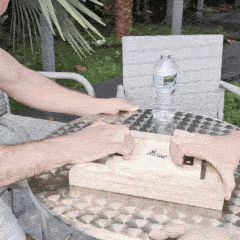
Việc tập luyện sức cầm nắm hiệu quả cho võ thuật nên mô phỏng theo yêu cầu của môn thể thao đó. Điều này có nghĩa là kết hợp cả các động tác giữ tĩnh (như treo người trên xà) và các động tác động (như kéo xà bằng khăn). Các công cụ như Iron Clutch rất tốt để nhắm vào sức mạnh ngón cái và ngón tay, điều quan trọng để nắm võ phục hoặc tay chân đối thủ. Tương tự, Tug of War Grip Challenge GAME có thể thêm yếu tố cạnh tranh vào quá trình tập luyện của bạn, giúp bạn xây dựng sức bền trong khi vui vẻ.
Ngoài các thiết bị chuyên dụng, hãy cân nhắc thêm các bài tập cụ thể cho sức cầm nắm vào chế độ tập của bạn. Các bài tập như đi bộ mang tạ, treo người và gập cổ tay là nền tảng. Đối với các vận động viên nâng cao, sử dụng dụng cụ uốn cong cổ tay có thể cô lập các cơ cẳng tay và cải thiện sự ổn định của cổ tay. Hãy nhớ cân bằng giữa tập luyện và phục hồi để tránh chấn thương do quá tải.
- Sử dụng Iron Clutch để tập luyện ngón cái và ngón tay có mục tiêu
- Kết hợp Tug of War Grip Challenge GAME để tăng sức bền
- Thêm bài tập với dụng cụ uốn cong cổ tay để ổn định cẳng tay
- Bao gồm các động tác giữ tĩnh và kéo động trong chế độ tập của bạn
Hỗ trợ sức mạnh cầm nắm bằng dinh dưỡng và phục hồi
Xây dựng sức mạnh cầm nắm không chỉ là tập luyện; dinh dưỡng và phục hồi hợp lý đóng vai trò quan trọng. Các chất bổ sung như Advanced 100% Whey Protein Isolate (Vanilla) có thể hỗ trợ phục hồi cơ bắp sau các buổi tập cường độ cao. Ngoài ra, Gói phục hồi khớp và gân cung cấp các chất dinh dưỡng giúp tăng cường các mô liên kết, giảm nguy cơ chấn thương gân thường gặp trong thể thao đối kháng.

Hydrat hóa cũng rất quan trọng. Cơ bắp mất nước sẽ mệt mỏi nhanh hơn, vì vậy sử dụng bột bù nước như Hydration Powder (Lychee) trước và sau khi tập luyện có thể duy trì hiệu suất. Cuối cùng, hãy đảm bảo ngủ đủ giấc và kết hợp phục hồi tích cực, chẳng hạn như giãn cơ và lăn bọt cho cẳng tay.
- Tiêu thụ protein sau khi tập để phục hồi cơ bắp
- Sử dụng hỗ trợ khớp chất bổ sung để bảo vệ gân
- Giữ đủ nước với bột bù điện giải
- Ưu tiên giấc ngủ và phục hồi tích cực
Sức mạnh cầm nắm là yếu tố thay đổi cuộc chơi trong võ thuật và thể thao đối kháng, ảnh hưởng đến mọi thứ từ thực hiện kỹ thuật đến phòng ngừa chấn thương. Bằng cách kết hợp các công cụ tập luyện có mục tiêu và hỗ trợ cơ thể bằng dinh dưỡng hợp lý, bạn có thể phát triển một sức cầm nắm mang lại lợi thế cạnh tranh. Khám phá các sản phẩm tập luyện sức cầm nắm và chất bổ sung tại Tangle Creations để bắt đầu xây dựng sức cầm nắm mạnh mẽ nhất của bạn.
![Dụng cụ tập tay Gripzilla "TODDLER" Cá nhân - 100LB [Chỉ bán tại Mỹ]](https://sturdyfit.store/api/image-optimizer?src=%2Fuploads%2Fsites%2F337%2Fimport-1782970170424-610363137.jpg&w=400&q=82)


