5 Common Mistakes When Using Grip Strengtheners and How to Avoid Them

Grip strengtheners are powerful tools for building hand, finger, and forearm strength. Whether you're a climber, weightlifter, or someone recovering from an injury, using a grip strengthener correctly can accelerate your progress and prevent injury. However, many users fall into common traps that limit results or even cause harm.
In this guide, we'll explore the five most frequent mistakes people make when using grip strengtheners—and how you can avoid them. By the end, you'll have a clear strategy to maximize your grip training safely and effectively.
1. Overtraining Without Proper Recovery
One of the biggest mistakes is training grip strength too often without allowing adequate recovery. Your hand and forearm muscles are small but dense, and they need time to repair after intense work. Many users squeeze their grip strengthener every day, thinking more is better, but this leads to fatigue, tendonitis, or even chronic pain.
To avoid this, limit grip training to 2-3 sessions per week with at least 48 hours of rest between sessions. Listen to your body—if you feel sharp pain or persistent soreness, take an extra rest day. Pair your training with proper hydration and nutrition, such as using Hydration Powder (Lemonade) to support muscle function and recovery.

- Rest at least 48 hours between grip training sessions.
- Stop immediately if you feel sharp pain in your wrist or fingers.
- Incorporate light stretching on rest days to improve blood flow.
2. Using the Wrong Resistance Level
Another common error is choosing a grip strengthener that is too heavy or too light. Beginners often grab the heaviest gripper they can find, thinking it will build strength faster. This usually results in poor form, compensatory movements, and a higher risk of injury. Conversely, using a weight that's too light won't challenge your muscles enough to stimulate growth.
Start with a resistance that allows you to complete 8-12 controlled repetitions with good form. If you can easily do more than 15 reps, it's time to move up. For example, the Gripzilla "PUNISHER" Individual Gripper - 200LB is designed for advanced users; beginners should start with a lower resistance level and gradually progress.
- Test your max reps: if you can do 15+ reps easily, increase resistance.
- Focus on controlled, full-range movements rather than speed.
- Consider adjustable grip trainers to fine-tune resistance as you progress.
3. Neglecting Full Range of Motion
Many people squeeze their grip strengthener only halfway, never fully opening or closing the device. This shortchanges your muscles and reduces the effectiveness of the exercise. A full range of motion is essential for building balanced strength and flexibility in your fingers, hand, and forearm.
To correct this, ensure each repetition starts with your fingers fully extended and ends with the gripper fully closed. If you can't maintain full range, decrease the resistance. The Tug of War Grip Challenge GAME is a fun way to practice full-range grip movements while adding a competitive element to your training.
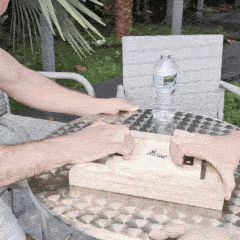
- Watch your form in a mirror or record yourself to check range of motion.
- Perform slow negatives (3-5 seconds on the release) to improve control.
- Include finger extension exercises to balance your training.
4. Ignoring Other Hand Muscles and Grip Types
Grip strength isn't just about crushing force. There are several types of grip: crush, pinch, support, and open-hand. Focusing only on one type (usually crush grip with a standard gripper) neglects other important muscles and can lead to imbalances. For instance, climbers need strong finger curls, while weightlifters need support grip for deadlifts.
Incorporate a variety of exercises into your routine. Use pinch blocks, fat grips, or tools like the Iron Clutch — Thumb & Finger Grip Trainer to target thumb and finger strength. Rotate between grip types each session to ensure balanced development and reduce the risk of overuse injuries.
- Add pinch-grip exercises (e.g., pinching two weight plates together).
- Use a thick bar or grip attachments to train support grip.
- Include open-hand exercises like finger spreads or rubber band extensions.
5. Skipping Warm-Up and Cool-Down
Jumping straight into heavy grip work without warming up is a recipe for strain. Your hand muscles, tendons, and ligaments need to be prepared for the stress. Similarly, skipping a cool-down can lead to stiffness and slower recovery. A proper warm-up increases blood flow and reduces injury risk.
Spend 5-10 minutes warming up with light stretching, wrist circles, and finger flexions. After your workout, gently stretch your fingers and forearms. Consider using Grip Boosters to enhance blood flow and provide support during your training. These small habits can make a big difference in long-term progress.
- Warm-up: finger taps, wrist circles, and light squeezes with a soft ball.
- Cool-down: hold each stretch for 20-30 seconds without bouncing.
- Massage your forearms after training to reduce tension.
By avoiding these five common mistakes, you'll get more out of your grip strengthener training and stay injury-free. Remember to progress gradually, vary your exercises, and listen to your body. For a versatile tool that supports all grip types, check out the Iron Clutch — Thumb & Finger Grip Trainer and take your hand strength to the next level.