Jak vybrat správný nástroj pro úchop podle velikosti ruky a úrovně síly
By World's Best Grip Training Tools | Published: 2026-07-12
Category: Průvodce návody
Zjistěte, jak přizpůsobit posilovače stisku velikosti vaší ruky a úrovni síly. Tento nákupní průvodce zahrnuje tipy na měření, rozsahy odporu a doporučení produktů pro začátečníky až po pokročilé sportovce.
Výběr správného nástroje pro trénink úchopu může být ohromující, když je na trhu tolik možností. Velikost vaší ruky a aktuální úroveň síly jsou dva nejdůležitější faktory, které určují, který trenažér vám pomůže postupovat bezpečně a efektivně. Použití nástroje, který je příliš velký nebo má příliš velký odpor, může vést k frustraci nebo zranění, zatímco příliš snadný nástroj nezatíží vaše svaly dostatečně pro stimulaci růstu.
Tento průvodce vás provede měřením velikosti ruky, posouzením úrovně síly úchopu a přiřazením těchto metrik ke konkrétním nástrojům pro úchop. Ať už se zotavujete po zranění, nebo se snažíte překonat svůj osobní rekord v mrtvém tahu, správný nástroj dělá velký rozdíl.
Proč na velikosti ruky záleží při tréninku úchopu
Velikost ruky přímo ovlivňuje, jak se vaše prsty a dlaň zapojují do nástroje pro úchop. Rukojeť, která je příliš široká, donutí vaše prsty do natažené polohy, čímž se sníží páka a cvičení bude těžší, než bylo zamýšleno. Naopak příliš úzké rukojeti mohou způsobit nepříjemné překrývání prstů, omezit průtok krve a kontrolu.
Pro změření velikosti ruky použijte krejčovský metr od špičky prostředníku k základně dlaně. Malé ruce obvykle měří méně než 17,8 cm, střední ruce mezi 17,8 a 20,3 cm a velké ruce přes 20,3 cm. Mnoho nástrojů pro úchop je k dispozici v nastavitelných nebo více velikostech, takže znalost vašeho rozměru pomůže zúžit výběr.
- Před zakoupením jakéhokoli trenažéru úchopu si změřte délku ruky a šířku dlaně.
Porozumění úrovním síly: začátečník, středně pokročilý a pokročilý
Síla úchopu se obvykle měří úrovní odporu nástroje, často vyjádřenou v librách nebo kilogramech síly potřebné k jeho stisknutí. Začátečníci by měli začít s nástroji nabízejícími odpor 50–100 liber. Středně pokročilí uživatelé zvládnou 100–150 liber, zatímco pokročilí sportovci často trénují s odporem 150 liber nebo více.
Pokud jste v tréninku úchopu nováčkem, začněte s nástrojem, který vám umožní provést 8–12 opakování se správnou technikou. Pokud snadno zvládnete více než 15 opakování, je čas posunout se na vyšší úroveň. Pro ty, kteří se vracejí po zranění, může nižší odpor a vyšší počet opakování bezpečně obnovit vytrvalost.
- Otestujte svůj maximální počet opakování s lehkým nástrojem, abyste zjistili svou základní úroveň síly.
Přiřazení nástrojů pro úchop k velikosti ruky a síle
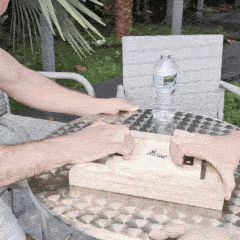
Pro malé ruce hledejte nástroje pro úchop s užšími rukojeťmi nebo nastavitelným rozpětím. Produkty jako Tug of War Grip Challenge GAME nabízejí zábavný, nastavitelný odpor, který dobře funguje pro menší ruce, protože můžete napětí ovládat tahem proti partnerovi nebo kotvícímu bodu. Pro střední až velké ruce poskytují nástroje s širšími rukojeťmi přirozenější uchycení.
Pokud jde o úroveň síly, začátečníci s malýma rukama mohou těžit z nástroje jako Titan Balls, který využívá rotující koule k současnému procvičení několika svalů úchopu bez pevných rukojetí. Středně pokročilí uživatelé často preferují pružinové stiskovače s nastavitelným odporem. Pokročilí sportovci by měli zvážit nástroje, které izolují specifické pohyby, jako jsou pinch bloky nebo nástavce na tlustou tyč.

- Vždy začněte s nižším odporem a postupně zvyšujte, abyste předešli namáhání kloubů.
Zvláštní ohledy: zotavení po zranění a rehabilitace
Pokud se zotavujete po zranění ruky nebo zápěstí, výběr správného nástroje pro úchop je ještě důležitější. Hledejte nástroje, které umožňují postupné nastavení odporu a poskytují pohodlný, protiskluzový úchop. The Injury Comeback Kit je navržen speciálně pro tento účel a nabízí postupnost odporových pásů a nástrojů, které vám umožní postupně obnovit sílu.
Během zotavení se vyhněte nástrojům s tvrdými, pevnými rukojeťmi. Místo toho zvolte polstrované nebo potažené úchopy, které snižují tlak na citlivá místa. Před zahájením jakéhokoli tréninku úchopu po zranění se vždy poraďte s fyzioterapeutem a naslouchejte svému tělu – bolest je signál k zastavení.
- Používejte nástroje s nastavitelným odporem pro kontrolu průběhu rehabilitace.
Testování nástroje pro úchop před koupí
Pokud je to možné, vyzkoušejte nástroj pro úchop osobně před nákupem. Mnoho posiloven a tréninkových center má demo kusy. Pokud nemůžete fyzicky vyzkoušet, čtěte recenze od uživatelů s podobnou velikostí ruky a úrovní síly. Hledejte podrobnou zpětnou vazbu o šířce rukojeti, napětí pružiny a celkovém pohodlí.
Dalším praktickým tipem je začít s univerzálním nástrojem, který nabízí více úrovní odporu. To vám umožní postupovat bez nutnosti kupovat nové zařízení každých pár týdnů. Některé nástroje jsou dodávány s vyměnitelnými pružinami nebo pásy, což vám poskytne celou škálu tréninkových možností v jednom balení.
- Zkontrolujte podmínky vrácení, abyste mohli vyměnit nástroj, který nevyhovuje vaší ruce.
Najít dokonalý nástroj pro úchop pro vaši velikost ruky a úroveň síly nemusí být složité. Změřte si ruku, posuďte svou aktuální sílu a vyberte nástroj, který odpovídá obojímu. Pokud se zotavujete po zranění nebo chcete komplexní řešení, podívejte se na Injury Comeback Kit pro bezpečný, postupný přístup k obnově vašeho úchopu.
![Gripzilla "TODDLER" Jednotlivý Gripper - 100LB [Pouze USA]](https://sturdyfit.store/api/image-optimizer?src=%2Fuploads%2Fsites%2F337%2Fimport-1782970170424-610363137.jpg&w=400&q=82)


