كيفية استخدام مقابض تقويم المعصم لإعادة تأهيل الساعد
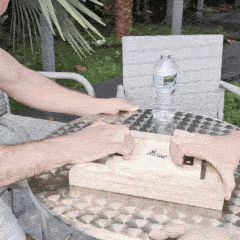
Forearm rehabilitation is a critical step for anyone recovering from wrist injuries, repetitive strain, or surgery. Weakness, stiffness, and pain in the forearm can hinder daily activities and athletic performance. While many tools exist for grip training, specialized equipment like wrist cupping handles offers targeted therapy that promotes healing and rebuilds strength safely.
Wrist cupping handles are designed to isolate the forearm muscles by allowing you to perform flexion and extension exercises with controlled resistance. Unlike standard grippers, these handles mimic the natural movement of the wrist, making them ideal for rehabilitation protocols. In this guide, we will explore how to incorporate a wrist cupping handle into your recovery routine, the key exercises to perform, and tips for maximizing results.
Why Wrist Cupping Handles Are Ideal for Forearm Rehab
Wrist cupping handles provide a unique advantage in forearm rehabilitation because they allow for isolated, controlled movements that target the flexor and extensor muscles of the forearm. Unlike traditional grip tools that may strain injured tissues, cupping handles distribute force evenly across the hand and wrist, reducing the risk of re-injury. This makes them suitable for early-stage rehab when range of motion is limited.
Additionally, these handles can be used with various resistance levels, either by adjusting the weight or using different handle sizes. For example, the Complete Wrist Cupping Handle Set - 40mm, 60mm & 80mm Bundle for Arm Wrestling & Grip Strength Training includes multiple diameters, allowing you to progress gradually from easier to more challenging grips. This versatility is essential for a structured rehab program that respects healing timelines.
- Start with the largest handle (80mm) for a lighter grip demand during early rehab.
- Use slow, controlled movements to avoid jerking or sudden strain on the wrist.
Essential Wrist Cupping Handle Exercises for Rehab
The primary exercises for forearm rehabilitation using wrist cupping handles are wrist flexion and wrist extension. To perform wrist flexion, hold the handle in your palm with your forearm resting on a table or bench, palm facing up. Slowly curl the handle upward by bending your wrist, then lower it back down. Perform 8-12 repetitions for 2-3 sets, focusing on the full range of motion without pain.
For wrist extension, flip your forearm so your palm faces down. Grip the handle and extend your wrist upward, lifting the handle toward the ceiling. This movement targets the extensor muscles, which are often neglected but crucial for balance and injury prevention. Incorporating both movements into your routine ensures comprehensive rehabilitation. If you are recovering from a specific injury, consult a physical therapist before starting.
- Perform exercises every other day to allow muscle recovery.
- If you feel sharp pain, stop immediately and reduce resistance.
Progressing Your Rehab with Additional Tools
As your forearm strength improves, you can integrate other grip training tools to challenge your recovery further. For instance, the Tug of War Grip Challenge GAME offers a fun, dynamic way to test your grip endurance against resistance. This can be used later in rehab to simulate real-world gripping demands without overloading the wrist.
Additionally, maintaining overall health supports recovery. Proper hydration and nutrition play a role in tissue repair. Consider using Hydration Powder (Lychee) to stay hydrated during workouts, as electrolytes help muscle function and reduce cramping. Always pair your rehab exercises with adequate rest and a balanced diet for optimal healing.

- Gradually increase resistance or handle difficulty every 1-2 weeks.
- Track your range of motion improvements with a simple measurement.
Common Mistakes to Avoid During Forearm Rehab
One common mistake is rushing back to heavy resistance too soon. Forearm rehab requires patience; using too much weight can aggravate the injury and delay recovery. Always start with a handle size that feels comfortable and focus on technique over load. Another mistake is neglecting the extensor muscles, which can lead to muscle imbalances and future issues.
Also, avoid performing exercises on consecutive days without rest. Muscles need time to repair and adapt. Lastly, do not ignore pain signals. While mild discomfort from stretching is normal, sharp or persistent pain indicates you need to modify your approach. Listen to your body and adjust your routine accordingly.
- Warm up your wrists with gentle circles before starting exercises.
- Use ice or heat therapy after workouts if swelling occurs.
Wrist cupping handles are a powerful tool for forearm rehabilitation, offering targeted, safe exercises that rebuild strength and restore mobility. By following a progressive routine and listening to your body, you can recover effectively and prevent future injuries. Explore the Complete Wrist Cupping Handle Set - 40mm, 60mm & 80mm Bundle for Arm Wrestling & Grip Strength Training to start your rehab journey today.